Ethiopian and Eritrean Foods: Top 10 Shared Dishes You Need to Try

July 1, 2026
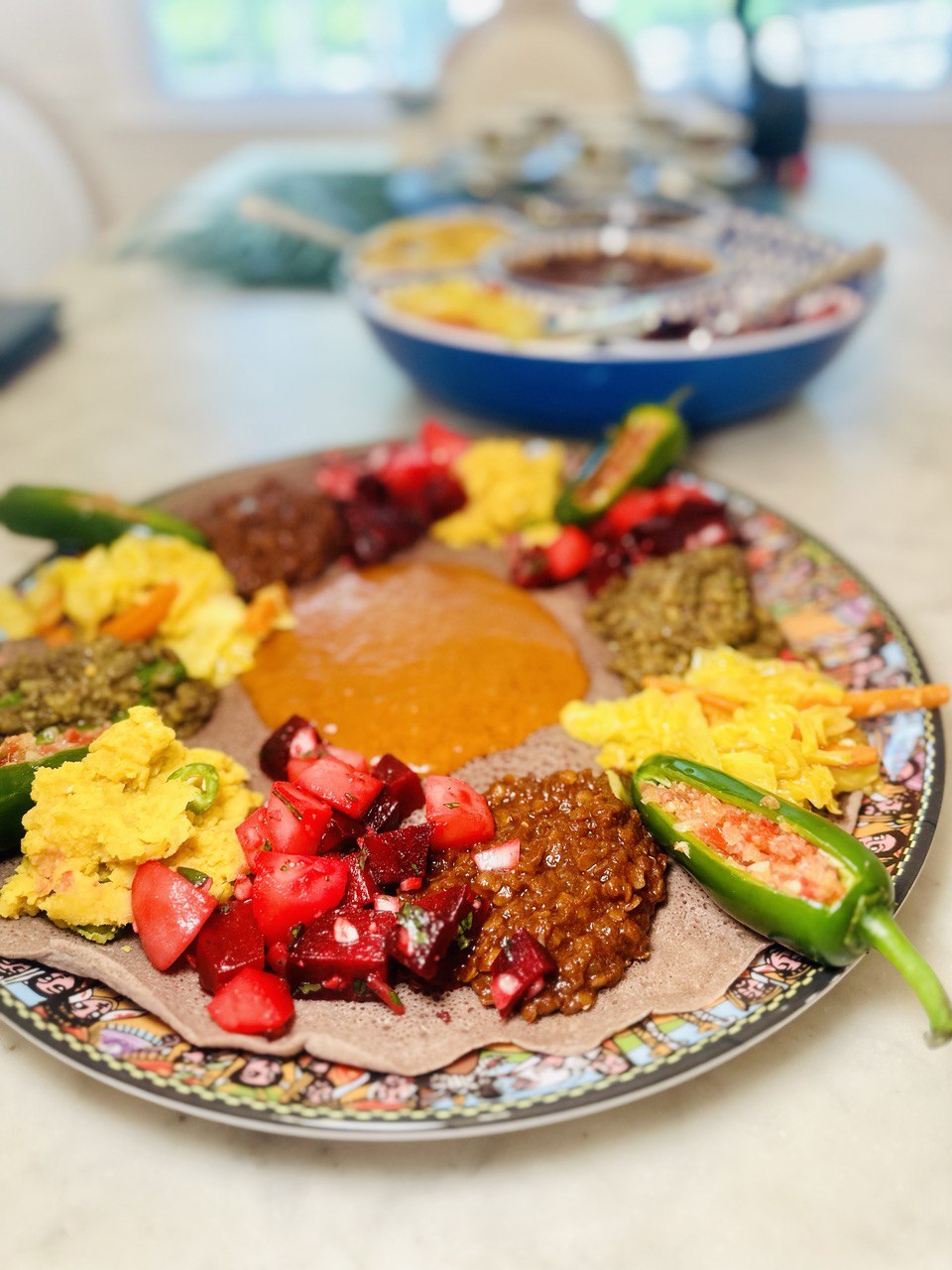
Ethiopian and Eritrean foods are among the most unique and flavorful cuisines in the world. Although Ethiopia and Eritrea are independent nations, they share centuries of history, culture, and culinary traditions. As a result, many of the dishes enjoyed today are common to both countries, bringing families and communities together around a shared love of food.
From the famous sourdough flatbread injera to rich stews seasoned with berbere, these traditional recipes showcase bold spices, fresh ingredients, and time-honored cooking techniques that have been passed down through generations. Whether you’re visiting an Ethiopian or Eritrean restaurant for the first time or looking to recreate authentic meals at home, these dishes offer the perfect introduction to the incredible flavors of the Horn of Africa.
In this guide, we’ll explore the top 10 Ethiopian and Eritrean foods that are loved in both countries. For each dish, we’ve included a brief description, and you can follow the recipe link to learn how to make it yourself.
1. Injera
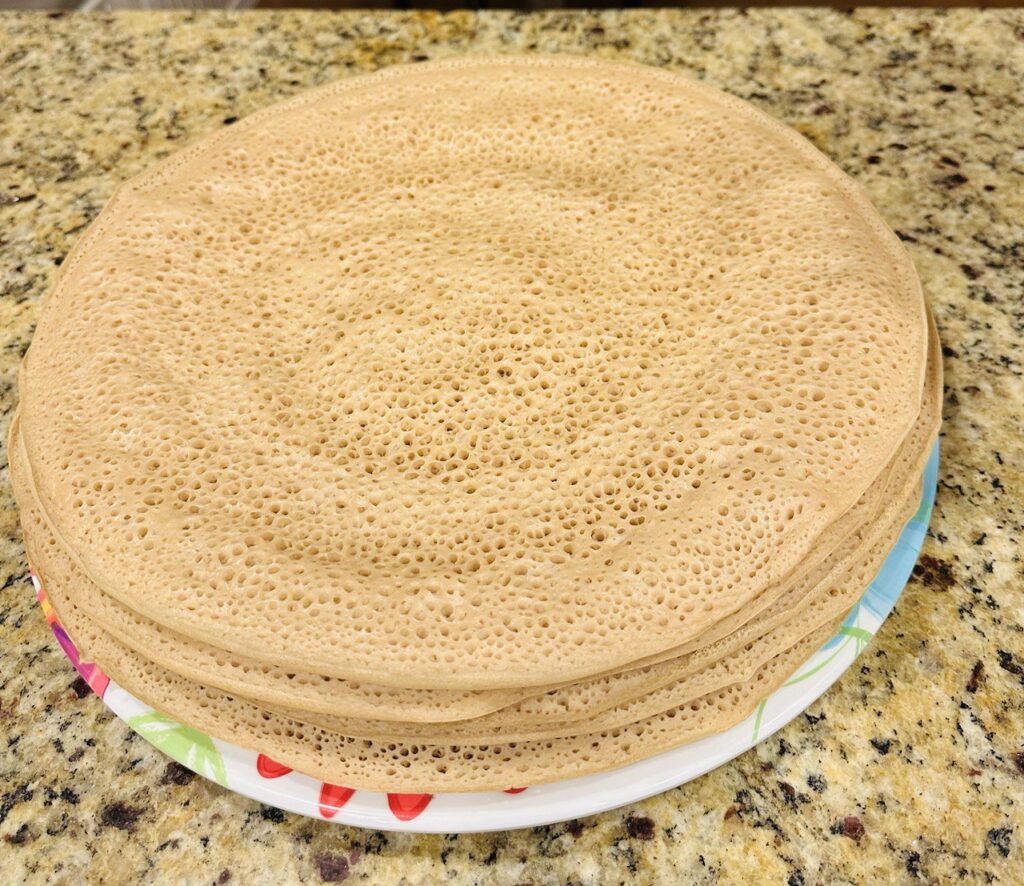
No Ethiopian or Eritrean meal is complete without injera. This soft, spongy sourdough flatbread, traditionally made from teff flour, serves as both a plate and an eating utensil. Its slightly tangy flavor pairs perfectly with a variety of stews and vegetables.
➡️ Read the full Injera recipe.
2. Doro Wat
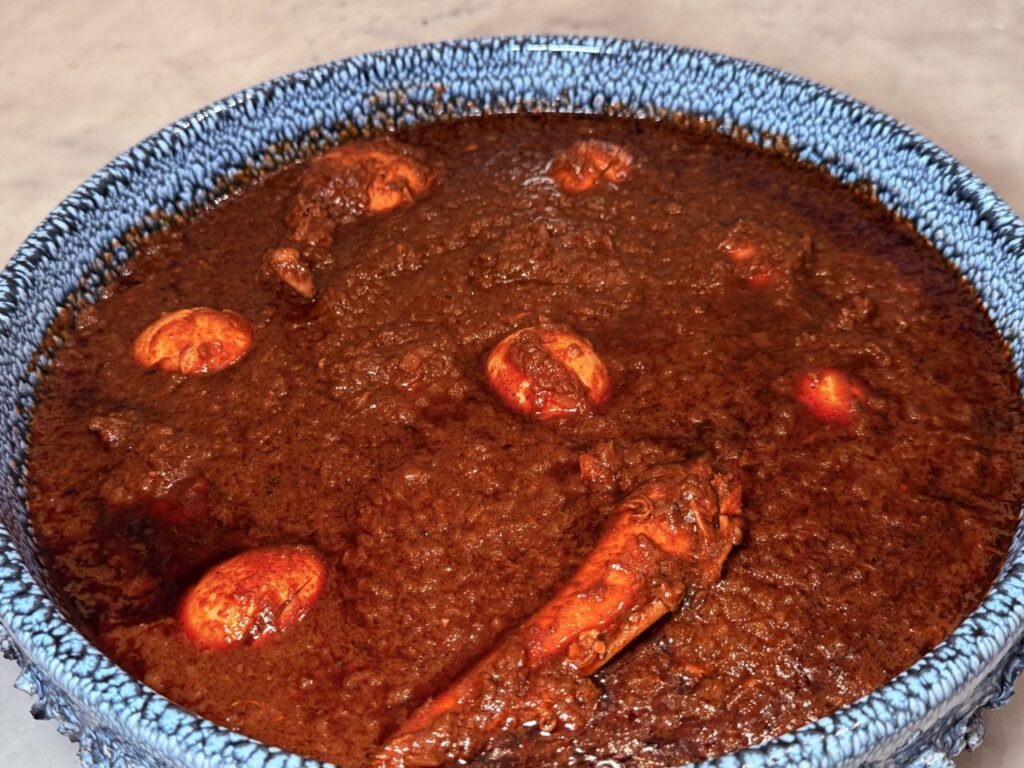
Doro Wat is Ethiopia’s and Eritrea’s famous spicy chicken stew made with berbere spices, slow-cooked onions, and hard-boiled eggs. It is commonly served during holidays, weddings, and family celebrations.
➡️ Read the full Doro Wat recipe.
3. Shiro Wat
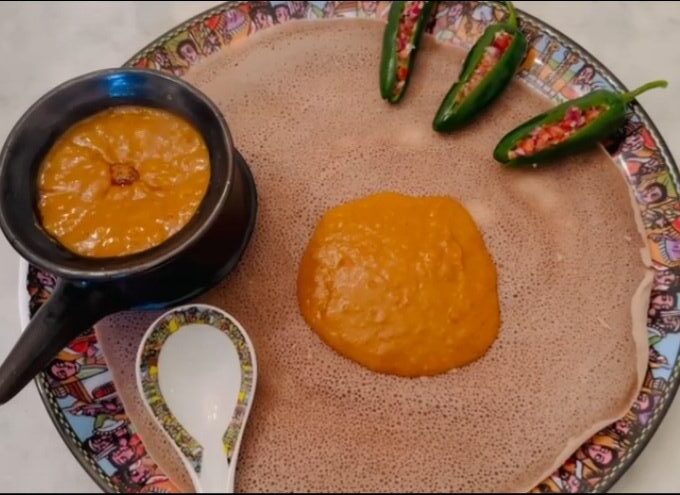
Made from ground chickpeas and aromatic spices, Shiro Wat is one of the most popular everyday dishes in Ethiopian and Eritrean homes. It’s creamy, comforting, and naturally vegetarian.
➡️ Read the full Shiro Wat recipe.
4. Tibs
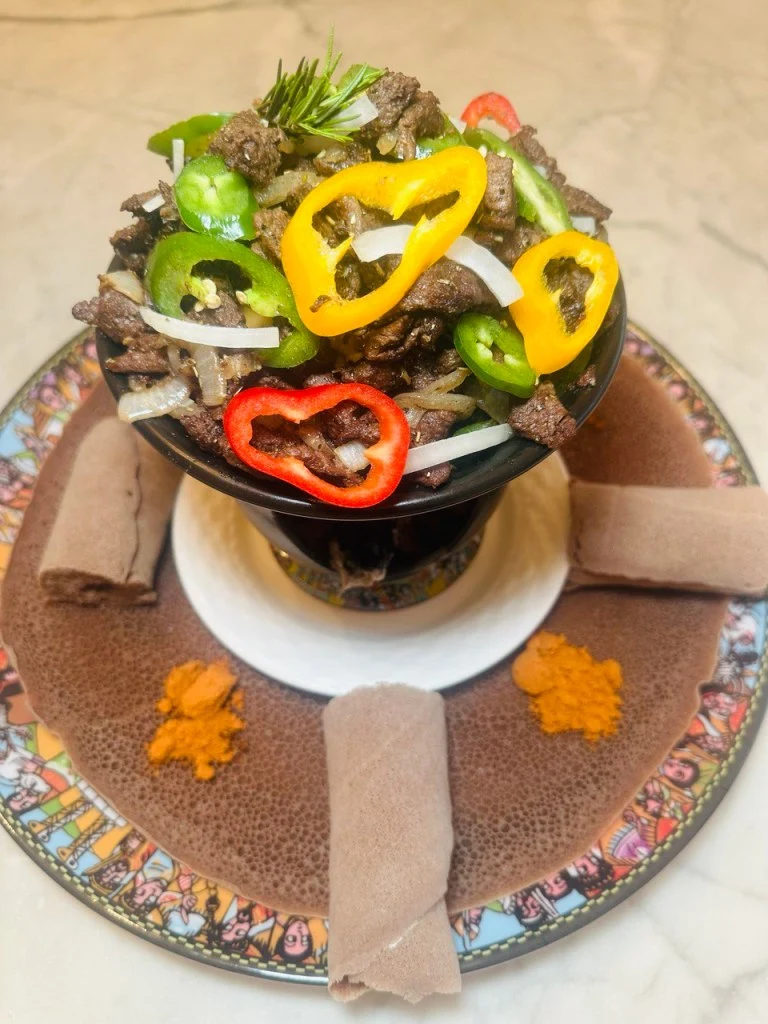
Tibs features tender pieces of beef or lamb sautéed with onions, peppers, garlic, and traditional spices. It is one of the most popular meat dishes served in restaurants and homes alike.
➡️ Read the full Tibs recipe.
5. Kitfo
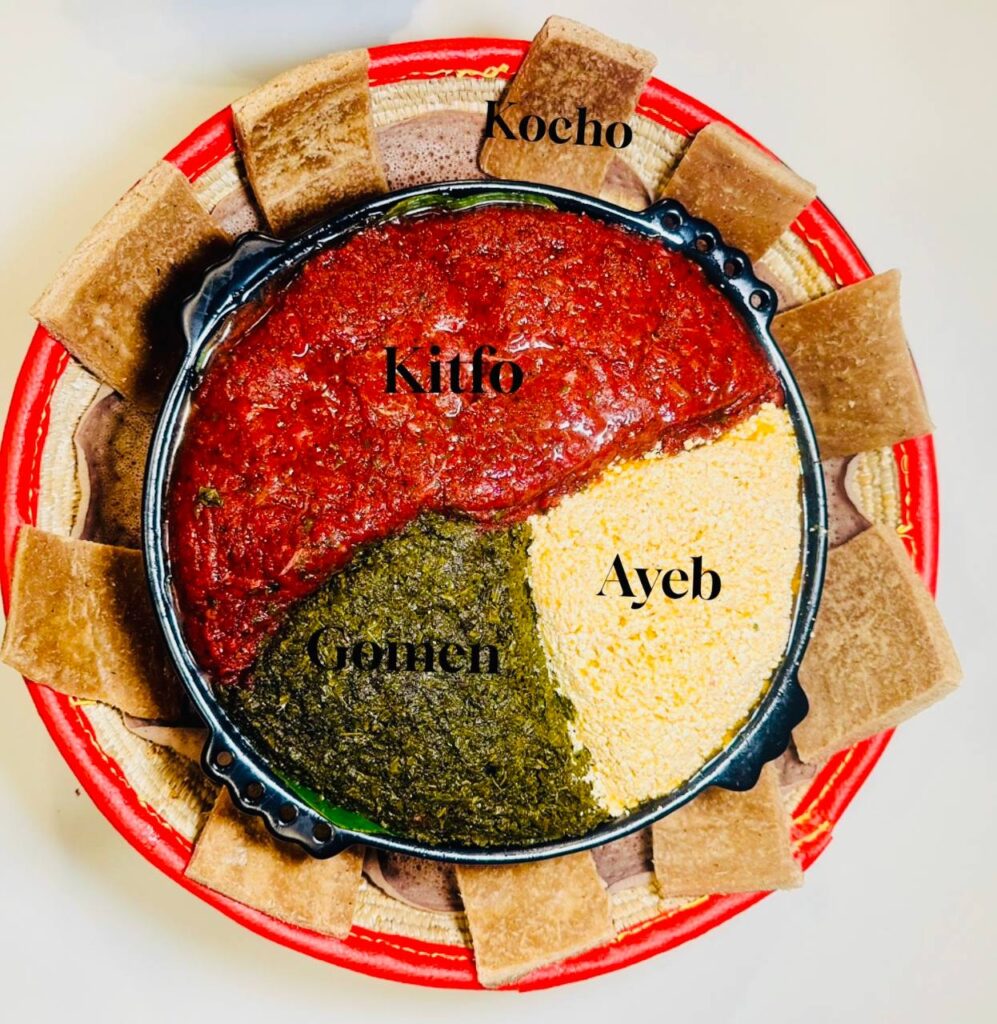
Kitfo is a traditional dish made from finely minced beef seasoned with spiced butter and mitmita. It can be served raw, lightly cooked, or fully cooked according to personal preference.
➡️ Read the full Kitfo recipe.
6. Misir Wat
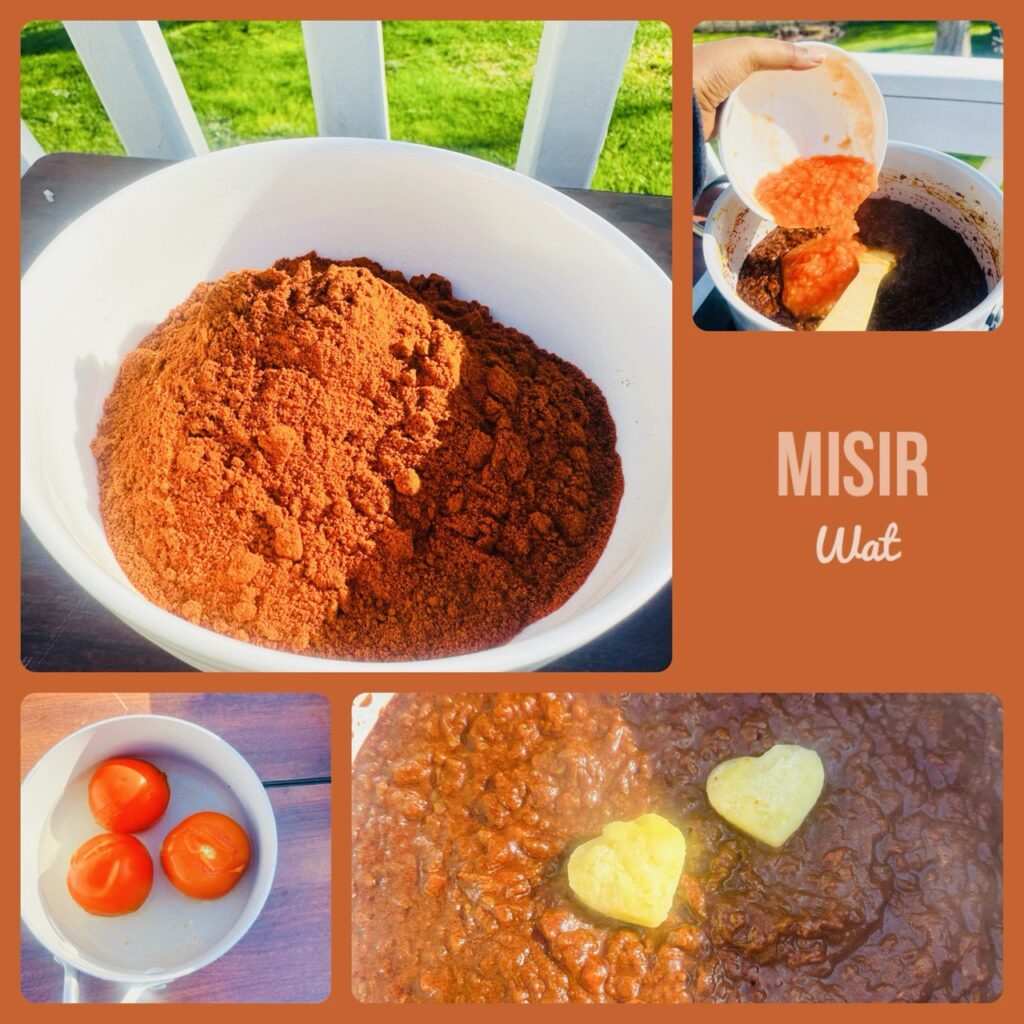
Misir Wat is a flavorful red lentil stew cooked with berbere, onions, garlic, and spices. Rich in plant-based protein, it is a favorite during fasting seasons.
➡️ Read the full Misir Wat recipe.
7. Firfir
Firfir is a delicious breakfast or quick meal made by mixing torn pieces of injera with a spicy berbere sauce and Ethiopian spiced butter. It’s a great way to use leftover injera.
➡️ Read the full Firfir recipe.
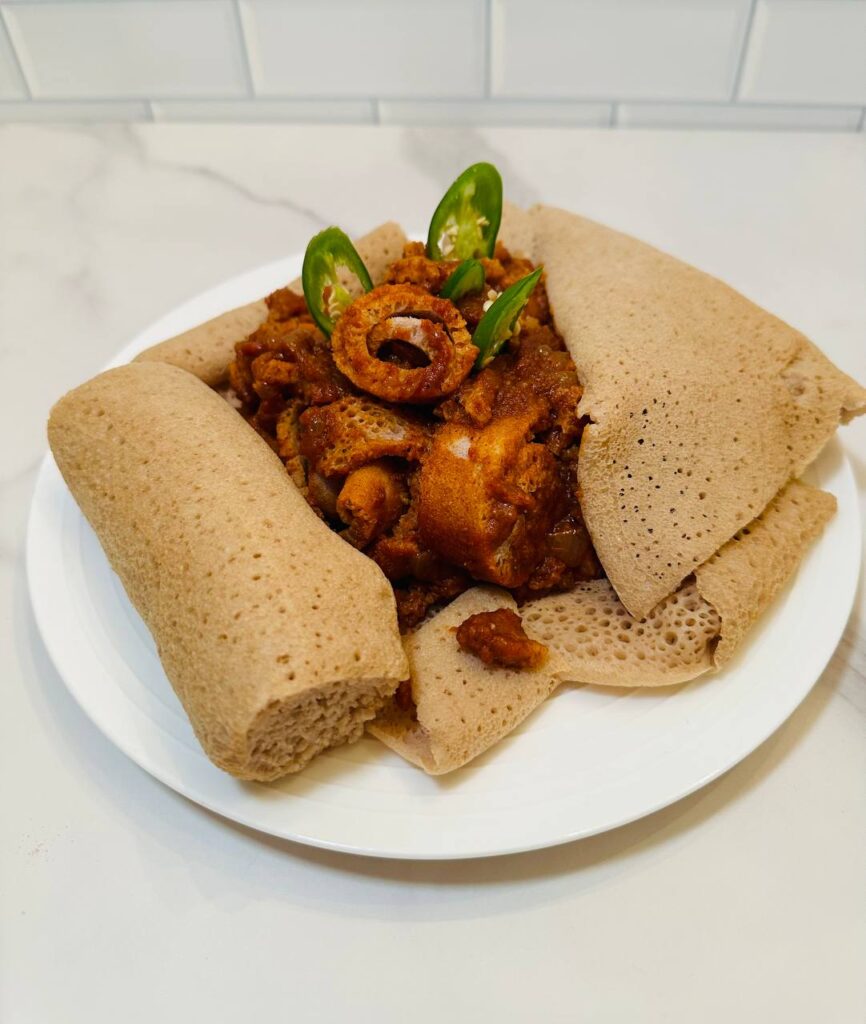
8. Atkilt Wat
This healthy vegetable stew combines cabbage, carrots, and potatoes cooked with turmeric and garlic. It is a common side dish served with injera.
➡️ Read the full Atkilt Wat recipe.
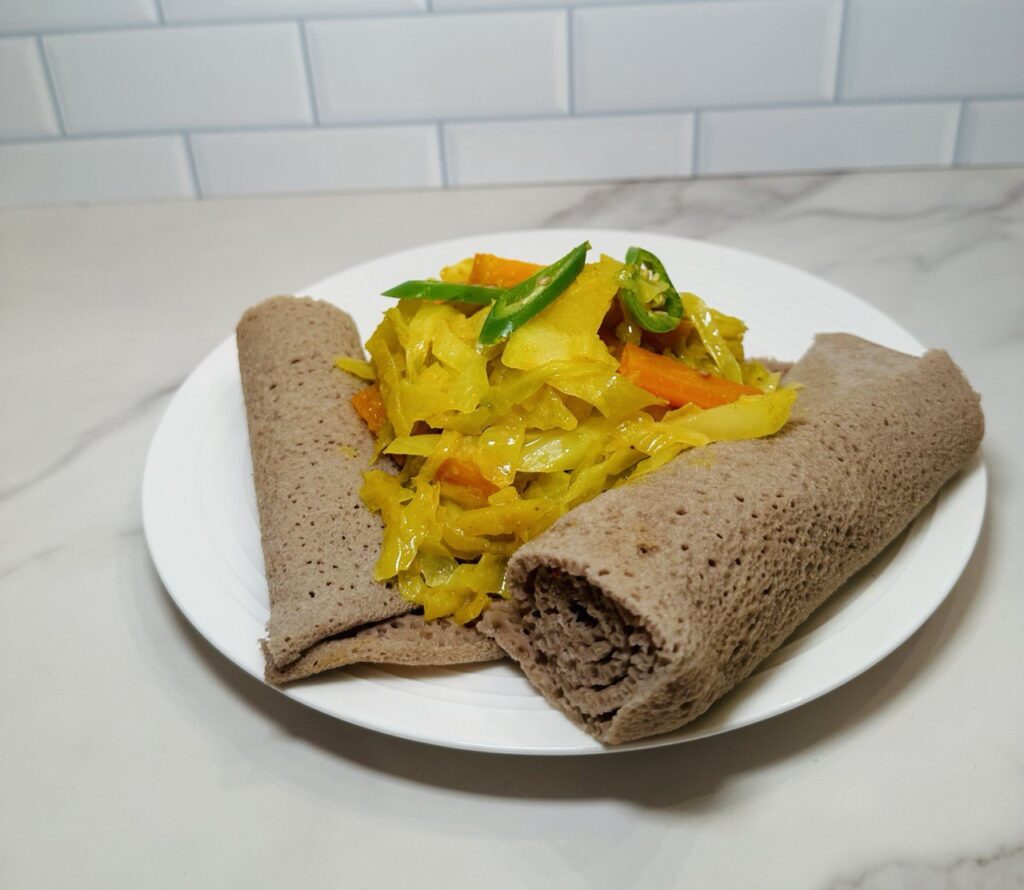
9. Tihlo
Tihlo is a traditional dish from Ethiopia’s Tigray region and is also enjoyed in Eritrea. Made from roasted barley flour rolled into small bite-sized balls and served with a spicy meat or lentil stew, Tihlo is known for its unique texture and rich cultural heritage. It is a must-try dish for anyone exploring authentic Ethiopian and Eritrean cuisine.
➡️ Read the full Tihlo recipe.
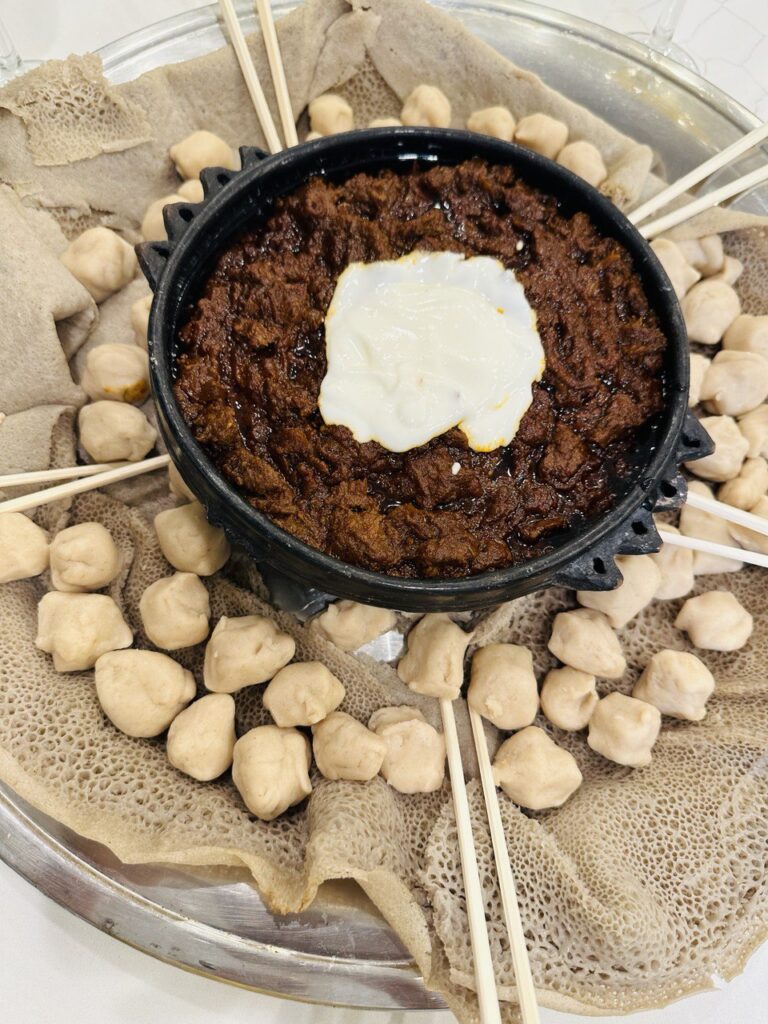
10. Genfo
Genfo is a thick barley porridge traditionally enjoyed for breakfast. It is served with spiced butter and berbere, creating a simple yet comforting meal loved for generations.
➡️ Read the full Genfo recipe.
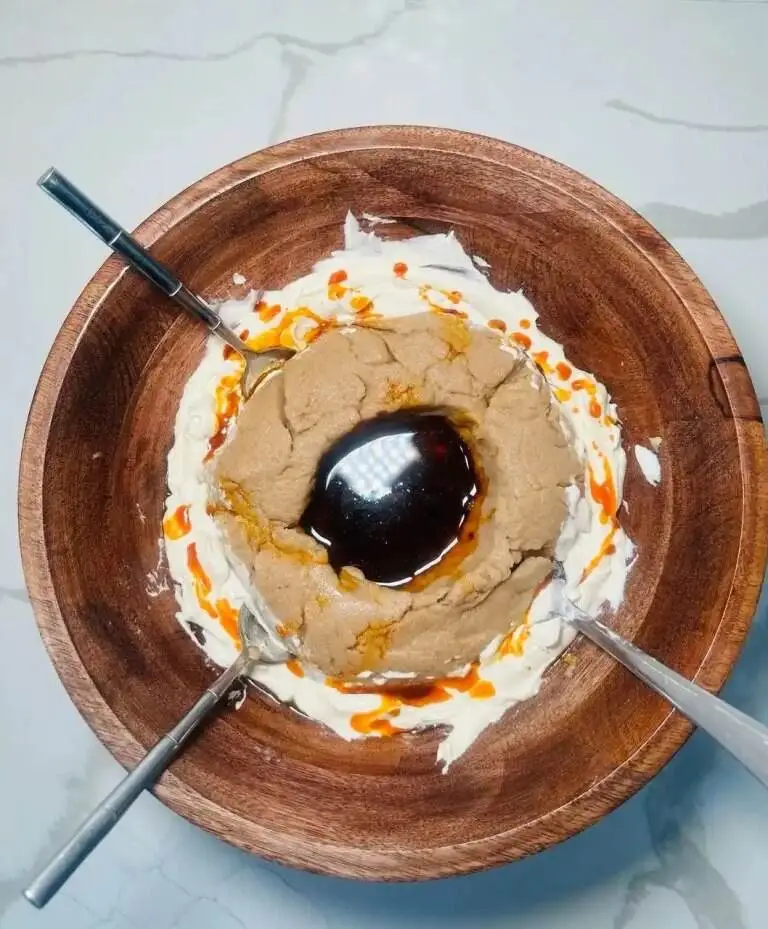
Conclusion: Ethiopian and Eritrean Shared Foods
The close cultural ties between Ethiopia and Eritrea are beautifully reflected in their cuisine. While each country has its own regional specialties, these ten dishes remain beloved on both sides of the border. Whether you’re interested in exploring East African cuisine, cooking authentic meals at home, or learning more about the region’s rich food culture, these shared dishes are the perfect place to begin.
Click on each recipe to discover step-by-step instructions, cooking tips, and authentic techniques that will help you bring the delicious flavors of Ethiopian and Eritrean cuisine to your own table.

Ethiopian Breakfast Guide: 3 Traditional Dishes You Need to Try
If you're searching for the best Ethiopian breakfast, you've come to the right place. Ethiopian brea
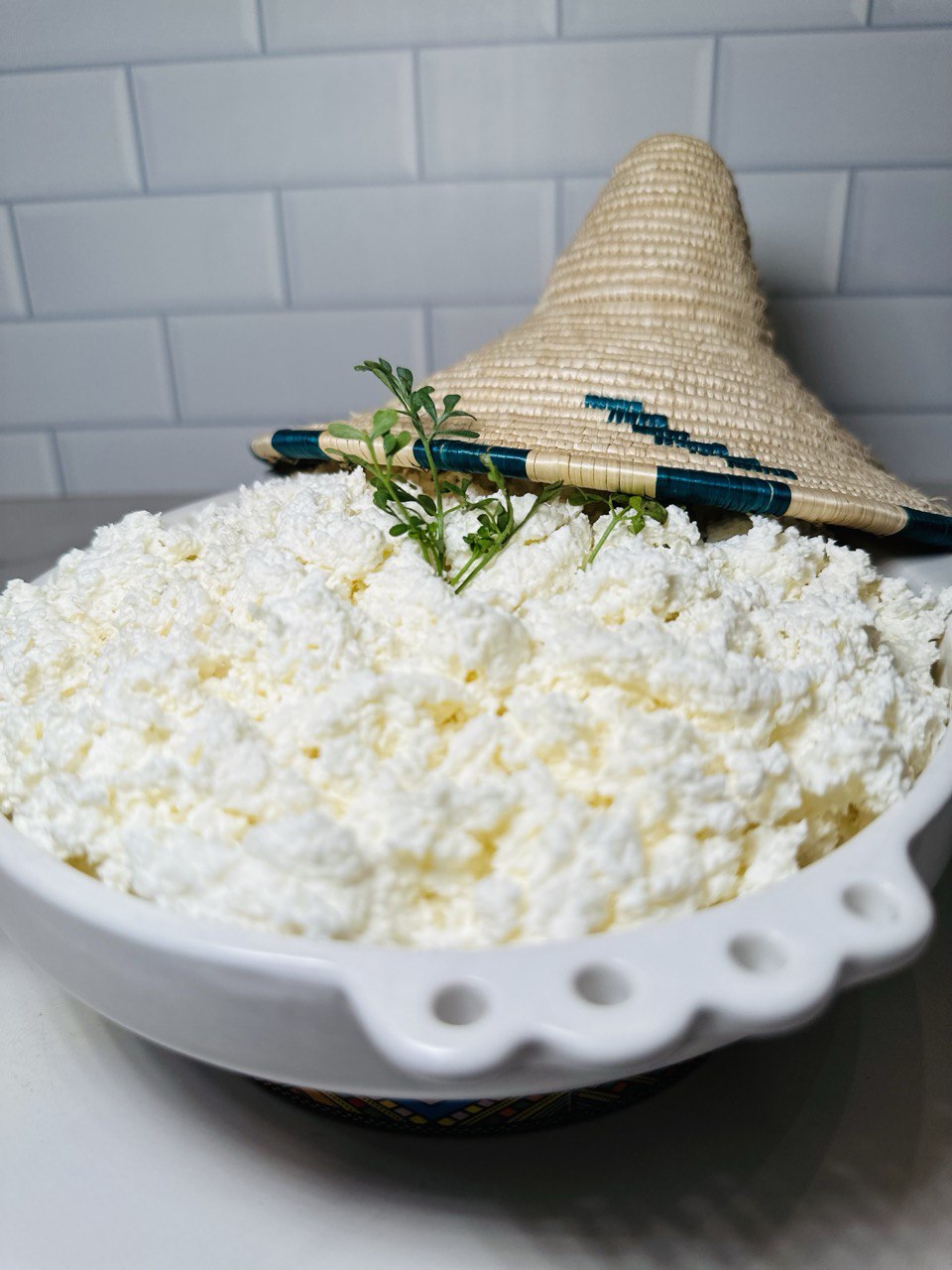
Ayib: Homemade Ethiopian Fresh Cheese
The process of creating Ayib, a delightful Ethiopian fresh cheese that tastes amazing and adds a bea
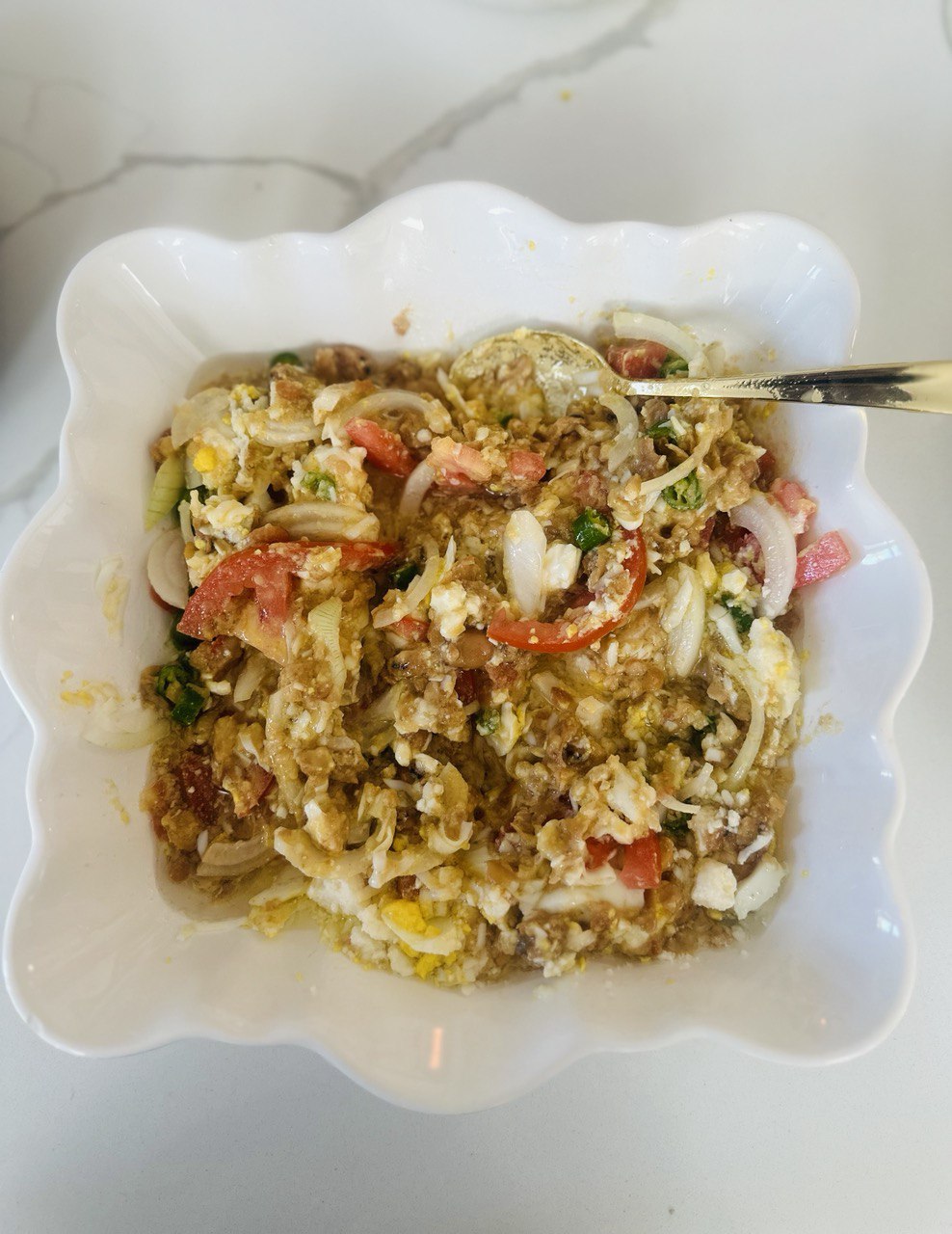
Ethiopian Ful Recipe made from Fava Beans
Ethiopian Ful made from fava beans is the perfect choice. This traditional Ethiopian dish is packed