
Why Ethiopian Coffee Is the World’s Most Extraordinary Coffee

July 24, 2026

Every morning, millions of people start their day with a cup of coffee. But few stop to ask one fascinating question:
Where did coffee actually come from?
The answer is Ethiopia.
Long before coffee became a global industry, it grew wild in Ethiopia’s lush highland forests. For centuries, Ethiopians have cultivated, brewed, and celebrated coffee—not just as a beverage, but as a symbol of hospitality, friendship, and community.
Today, Ethiopian coffee is prized by roasters, baristas, and coffee lovers worldwide for its exceptional quality, incredible diversity, and unforgettable flavors. Whether you’re new to specialty coffee or a lifelong enthusiast, discovering Ethiopian coffee will change the way you experience every cup.
Ethiopia: The Birthplace of Coffee
Coffee’s story begins in the forests of southwestern Ethiopia.
According to legend, a young goat herder named Kaldi noticed his goats became unusually energetic after eating bright red cherries from a wild tree. Curious, he tried the cherries himself. A nearby monk later roasted the beans, filling the air with an irresistible aroma, and brewed what became one of the earliest cups of coffee.
Whether legend or history, one fact is undisputed:
Arabica coffee originated in Ethiopia.
Even today, Ethiopia is home to thousands of naturally occurring heirloom coffee varieties found nowhere else in the world. This extraordinary genetic diversity is one of the reasons Ethiopian coffee offers such remarkable complexity in aroma and flavor.
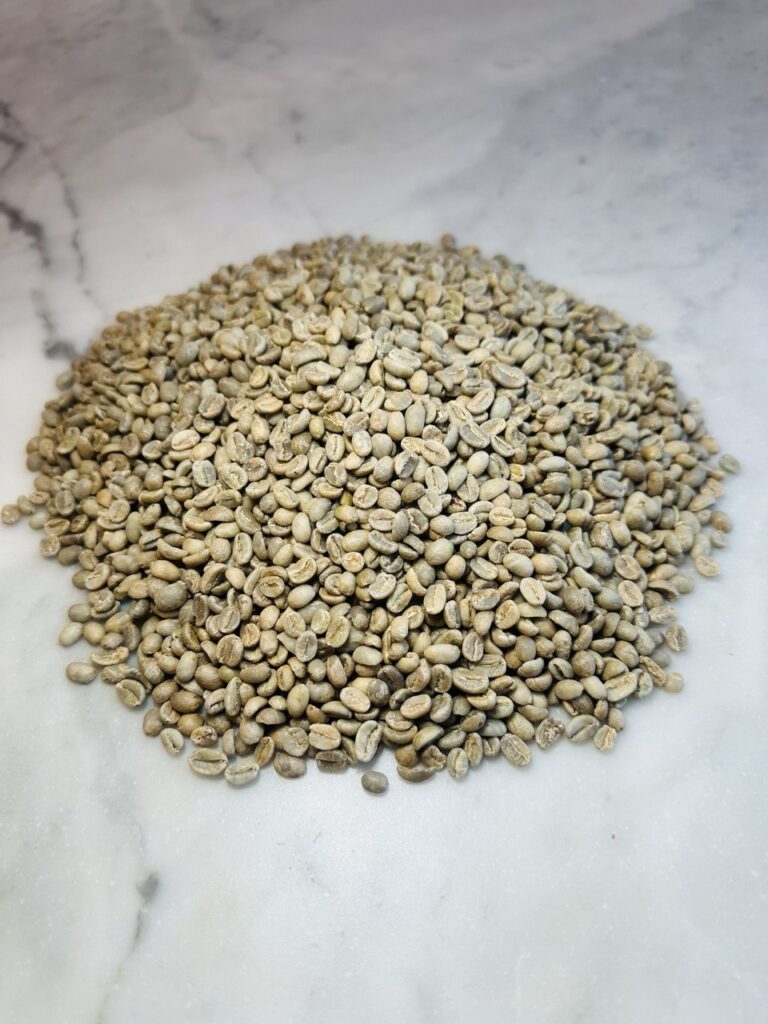
What Makes Ethiopian Coffee So Special?
Nature has given Ethiopia nearly perfect conditions for growing exceptional coffee.
Most coffee grows at elevations between 1,500 and 2,300 meters (4,900–7,500 feet) above sea level. The cool mountain climate slows the ripening of coffee cherries, allowing them to develop more natural sugars and complex flavors.
Combined with rich volcanic soil, seasonal rainfall, and traditional farming methods, these conditions produce coffees known for their:
- Bright, lively acidity
- Natural sweetness
- Floral aromas
- Fruity complexity
- Smooth, clean finish
Some of Ethiopia’s Most Famous Coffee Regions
Each coffee-growing region produces a unique flavor profile.
Yirgacheffe
Elegant and delicate with notes of:
- Jasmine
- Bergamot
- Lemon
- Peach
- Honey
Perfect for pour-over brewing and lovers of floral coffees.
Sidama
Balanced and approachable with flavors of:
- Blueberry
- Citrus
- Brown sugar
- Stone fruit
- Floral sweetness
An excellent choice for both beginners and experienced coffee drinkers.
Harrar
Traditionally natural-processed and bold, offering:
- Blueberry
- Dark chocolate
- Red wine
- Dried fruit
- Warm spice
Ideal for those who enjoy rich, full-bodied coffee.
Jimma
Known for excellent value and comforting flavors such as:
- Cocoa
- Nutty sweetness
- Mild fruit
- Smooth body
Why Does Ethiopian Coffee Taste Different?
Many people are surprised by their first cup of Ethiopian coffee.
Instead of bitterness, they discover naturally occurring flavors like:
- Blueberries
- Peach
- Jasmine
- Orange blossom
- Honey
- Lemon
- Chocolate
- Tropical fruit
- Black tea
These flavors aren’t added—they develop naturally through Ethiopia’s unique combination of genetics, climate, altitude, soil, and processing methods.
That complexity is why Ethiopian coffee consistently ranks among the world’s finest specialty coffees.

Coffee Processing Methods
The way coffee is processed has a major impact on flavor.
Washed Process
The fruit is removed before drying, creating:
- Bright acidity
- Clean flavors
- Floral aromas
- Crisp finish
Natural Process
The cherries dry with the fruit still attached, producing:
- Berry sweetness
- Full body
- Wine-like character
- Rich fruit flavors
Honey Process
Less common in Ethiopia, this method combines the sweetness of natural coffees with the clarity of washed coffees.
The Ethiopian Coffee Ceremony

Coffee in Ethiopia is more than a drink—it’s a cherished tradition.
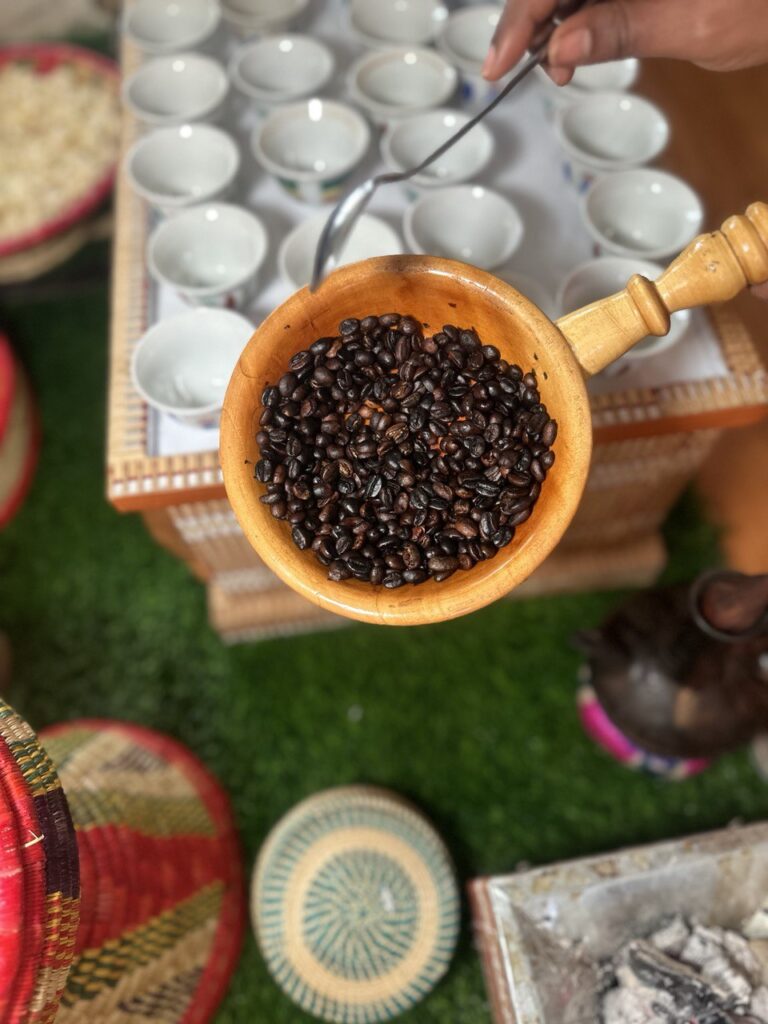
Fresh green beans are roasted over charcoal, ground by hand, and brewed in a traditional clay pot called a jebena.
Coffee is served in three rounds:
- Abol – the first and strongest cup
- Tona – the second serving
- Baraka – the final cup, symbolizing blessing
How to Choose Great Ethiopian Coffee
Look for
- Single-origin Ethiopian coffee
- Fresh roast date
- Whole beans
- Transparent sourcing
- Specialty-grade coffee
If the label mentions Yirgacheffe, Sidama, Guji, Harrar, Limu, or Jimma, you’re likely getting a coffee with a distinct regional character.
Frequently Asked Questions
Is Ethiopian coffee the oldest coffee in the world?
Ethiopia is widely recognized as the birthplace of Arabica coffee and has one of the world’s oldest coffee traditions.
Why is Ethiopian coffee more expensive?
High elevations, hand-picking, careful processing, and exceptional quality all contribute to its premium value.
Is Ethiopian coffee stronger?
Not necessarily. It contains a similar amount of caffeine as most Arabica coffees. Its strength comes from its rich aroma and complex flavor rather than higher caffeine content.
What does Ethiopian coffee taste like?
Depending on the region, expect notes of jasmine, blueberry, peach, citrus, honey, chocolate, tropical fruit, and tea-like florals.
Which Ethiopian coffee region is the best?
There is no single best region. Yirgacheffe is famous for floral elegance, Sidama for balance, Guji for vibrant fruit, Harrar for bold natural coffees, Limu for smooth sweetness, and Jimma for approachable richness.
Final Thoughts
Every cup of coffee has a story, and that story begins in Ethiopia.
From the mist-covered forests where wild Arabica first grew to the farming families who continue centuries-old traditions, Ethiopian coffee represents history, craftsmanship, culture, and nature in every cup.
Whether you enjoy delicate floral notes, vibrant fruit flavors, or rich chocolate undertones, Ethiopia offers a coffee for every palate.
At Abyssinia Eats, we’re passionate about sharing Ethiopia’s incredible culinary heritage—from authentic recipes and traditional coffee ceremonies to regional food stories and specialty coffee guides.
The next time you brew a cup of Ethiopian coffee, remember that you’re not just enjoying exceptional coffee—you’re experiencing the birthplace of coffee itself.
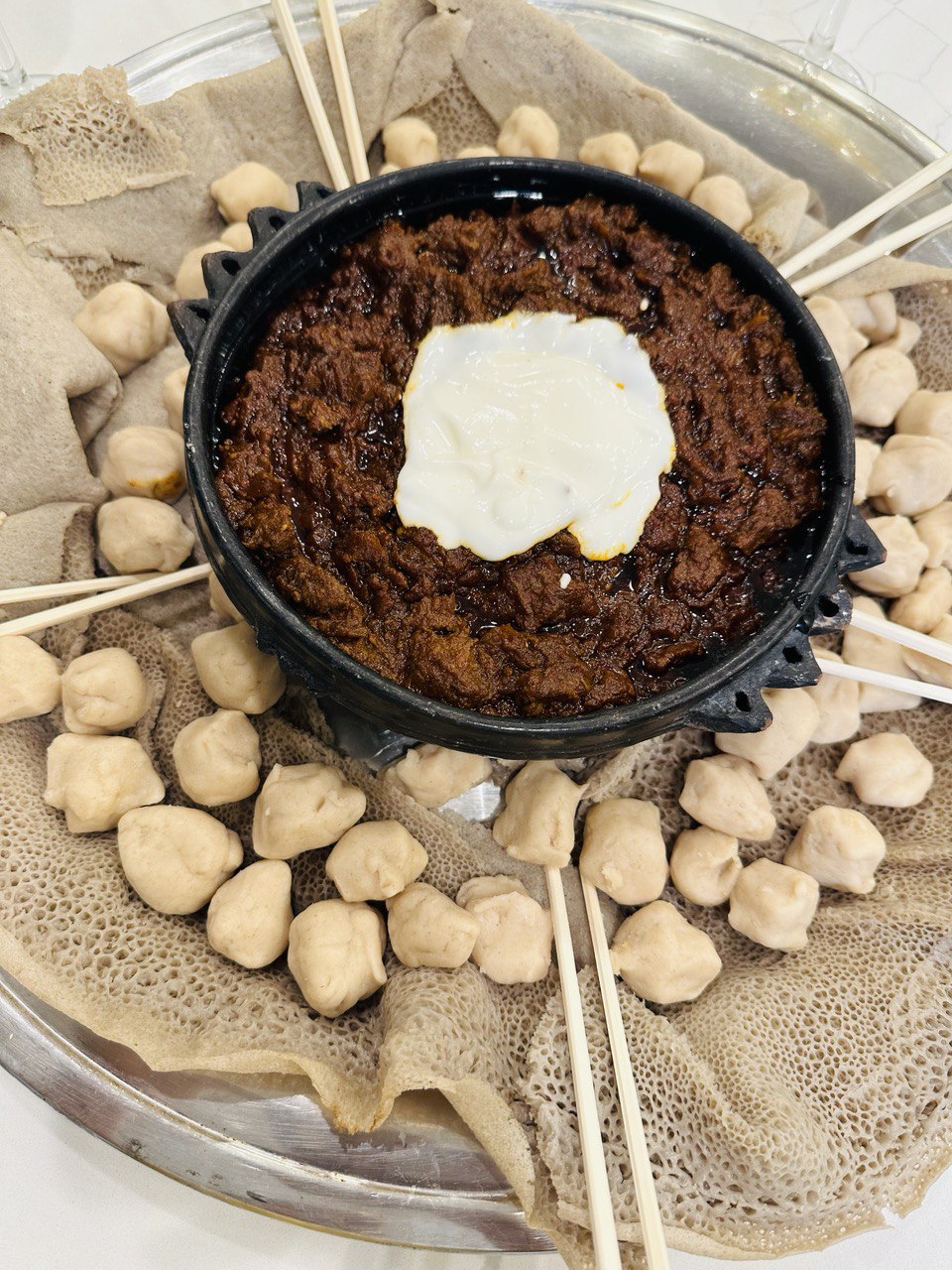
Tihlo: An Authentic Ethiopian Dish from Tigray
One standout dish from the Tigray region is Tihlo, this traditional Ethiopian dish is a symbol of co

Genfo: Ethiopian Porridge Recipe
Genfo (Ethiopian Porridge), a traditional Ethiopian dish, holds a special place in Ethiopian cuisine

Creamy Berbere Chicken: An Ethiopian-Indian Fusion Delight
Discover the delicious fusion of flavors in our Creamy Berbere Chicken recipe! This easy-to-make dis